
Luxury Yacht Deck
Luxury yacht deck design reflects comfort, space, and seamless outdoor living. Open layouts support relaxation, dining, and social interaction in a refined setting. Sun loungers, shaded seating areas, and unobstructed sea views create a balanced environment for daytime cruising or evening moments on board. Materials and finishes are selected to combine durability with a premium visual experience.
Luxury yacht deck areas also function as the main connection point between guests and the surrounding seascape. Walking paths, lounge zones, and dining sections are planned to allow smooth movement without crowding. Integrated lighting enhances visibility after sunset, while smart layout choices support privacy and usability. Every element is positioned to maximize comfort, safety, and visual harmony during short trips or extended charters.
Luxury Yacht Charter Below Deck
A luxury yacht charter below deck experience focuses on privacy, comfort, and functional interior planning. Spaces below deck are designed to support extended stays while maintaining a calm and refined atmosphere. Cabins, shared areas, and service zones are positioned to create a smooth flow between rest and activity. Interior layouts emphasize clarity and ease of use, allowing guests to enjoy time on board without visual or physical clutter.
Below deck areas are planned with attention to spatial balance, material selection, and guest circulation. Each zone serves a clear purpose and contributes to overall onboard comfort.
Key elements of this structure can be outlined as follows:
- Below deck living spaces prioritize quietness and separation from active deck zones, supporting uninterrupted rest and personal time.
- A well-defined deck plan helps organize cabins, storage, and shared interiors in a way that feels intuitive and spacious.
- Interior details often follow a custom line approach, allowing layout adjustments based on vessel size and guest needs.
- Professional yacht charters rely on below deck organization to ensure efficient service, crew movement, and guest privacy.
- Layout decisions vary between vessel types, especially when comparing a motor yacht to other yacht categories in terms of engine placement and cabin distribution.
- Integration between interior zones and the luxury yacht deck above ensures smooth transitions without disrupting comfort or privacy.
Together, these elements shape a below deck environment that feels structured, calm, and practical. Clear planning and thoughtful design choices allow guests to experience comfort throughout the charter, regardless of trip duration.
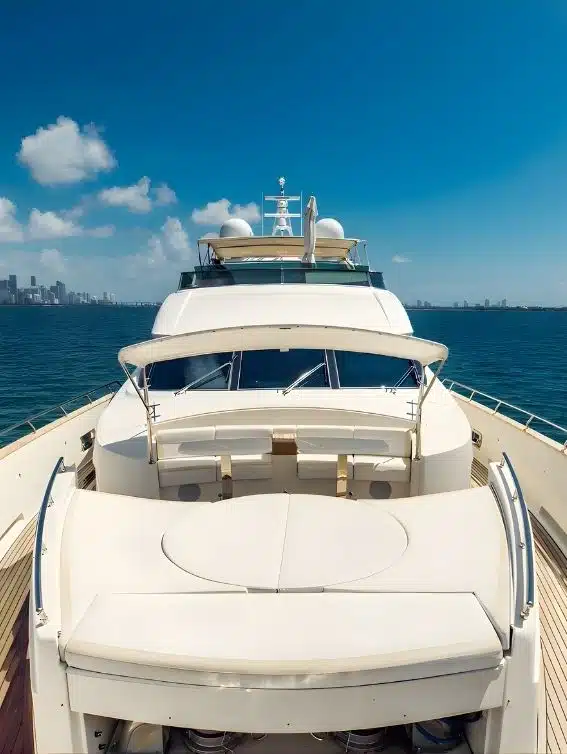
Luxury Yacht Deck Plans
Effective deck planning organizes space, movement, and functional zones across the different levels of the vessel. Planning focuses on clarity, balance, and efficient use of available areas. Each section is positioned to support comfort, safety, and visual continuity while allowing guests to move naturally between social and private zones. Design decisions are guided by how people use the yacht throughout the day rather than by visual appeal alone.
Deck planning considers multiple functional layers and their interaction with one another. Layouts aim to reduce congestion, improve accessibility, and support different onboard activities without overlap.
Core planning elements can be summarized as follows:
- Floor plans determine the relationship between seating areas, walkways, and service zones, helping maintain clear circulation paths.
- Open-air sections such as the sun deck are positioned to receive optimal light while offering shaded alternatives for longer stays.
- Larger vessels may include a superyacht sundeck, designed to accommodate multiple functions like lounging, dining, and observation.
- Structural continuity between upper areas and the luxury yacht deck below supports visual flow and spatial consistency.
Well-designed deck plans also consider safety features, railing placement, and surface materials to ensure stability in varying sea conditions. Storage access, crew routes, and service efficiency are integrated without interrupting guest areas. Each design choice contributes to a layout that feels intuitive rather than complex.
Overall, effective deck planning transforms a yacht into a cohesive living environment. Clear zoning and thoughtful spatial relationships allow guests to enjoy freedom of movement, comfort, and uninterrupted views throughout the journey.